Work is a major part of our everyday routine. It’s where we spend a significant chunk of our time, energy, and brainpower. But finding that elusive balance between making a living and actually living can be tricky. Some of us chase a career for passion’s sake, while others see a job as just a means to an end—financial security and stability. Either approach has its own set of ups and downs, and the sweet spot might look different for everyone.
Challenges of the Modern Work World
1. Burnout
One of the biggest hurdles in achieving a work-life balance is the dreaded burnout. When you pour all your energy into one thing—especially something that doesn’t fill your emotional cup—your mental and physical health can take a nosedive. Burnout leaves you feeling exhausted, unmotivated, and sometimes even resentful toward your job.
2. Life Beyond Work
Imagine a scenario: you pour your entire identity into the company you work for. Then one day, you get laid off. Who are you without that job title? That’s why it’s important to remember that you’re more than the bullet points on your résumé. Maintaining a sense of self that isn’t tied solely to work can help you stay grounded during tough transitions.
3. Toxic Environments
Every now and then, you might land in a workplace that just doesn’t align with your values or wellbeing. Whether it’s an overly competitive culture or a management style that leaves you stressed and disrespected, toxic environments can drain you faster than you realize.
4. Financial vs. Passion
It’s an age-old dilemma: go for a stable, well-paying job or pursue your passion even if it doesn’t pay as well (at least at first). Some people are totally happy choosing financial security, and there’s absolutely nothing wrong with that. But if you’re hoping to find deeper meaning at work, following your genuine interests—even if it’s a slower road—can be incredibly rewarding.
5. Morality and Values
Sometimes, it’s not just about paychecks or passion. It’s about aligning with something you believe in. Does your work reflect your personal ethics? Does it sit right with you to create or sell certain products, or to work in an industry that might conflict with your values? These questions can weigh heavily on your day-to-day fulfillment.

Why Work Can Still Be Exciting
Despite these challenges, work can offer some truly positive experiences:
- Community & Sense of Belonging: A supportive team can feel like a second family. Sharing in each other’s triumphs (and sometimes failures) fosters a sense of camaraderie.
- Fulfillment for the Passionate: If you’re working in a field that excites you, it’s thrilling to see your ideas come to life. It doesn’t always feel like “work” when you genuinely love what you do.
- Bringing Value → Life Purpose: Working on meaningful projects can give you an incredible sense of purpose. Helping people, solving problems, or creating something new can feed your soul in ways that a paycheck alone might not.
The Importance of Having Hobbies
It’s not all about the grind. Having hobbies or interests outside of work helps remind you there’s more to life. Cooking, painting, playing sports, writing, or even just hanging out with friends—these are the moments that recharge you. When you see progress in your personal passions, you learn to value the journey as much as the end result.
- Social Connections: Catching up with friends and loved ones is so important. We all need a support group to celebrate our good days and help us weather the tough ones.
- Growth Mindset: If you’re always complaining that something is too hard, maybe it’s time to switch your perspective. In hobbies (and life in general), challenges can actually be fun—especially when you look at them as opportunities to grow rather than obstacles.

My Experience in STEM
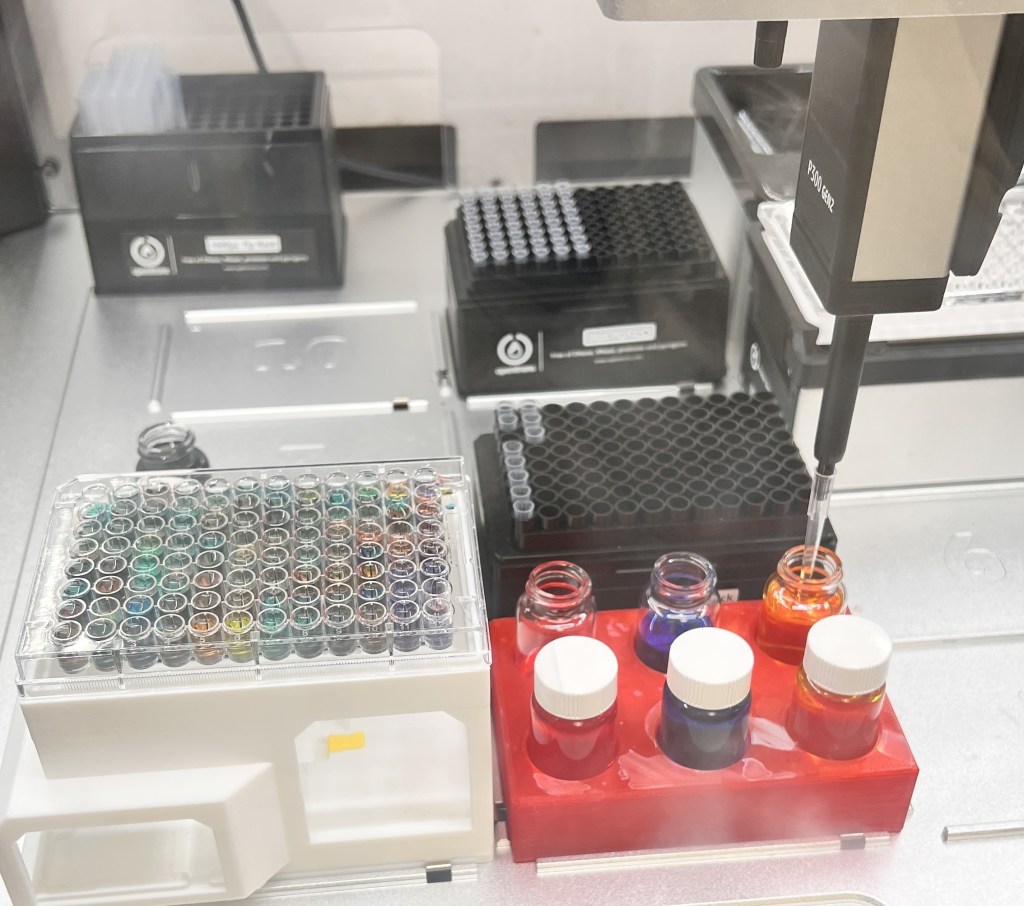
I consider myself fortunate that the field I’m passionate about—mechanical engineering, robotics, and AI—is also one that society values highly (and pays quite well!). Don’t get me wrong, it’s definitely challenging. There have been times where I’ve questioned why I chose to dive into this area; the hours can be long, and the learning curve steep. But then I remember what drew me in:
- Meaning in Work: Building or programming robots that can handle dangerous, labor-intensive, or tedious tasks feels like I’m contributing something genuinely helpful. Plus, robots can be so entertaining—like the playful animatronics you see in theme parks!
- Problem-Solving: I love tackling puzzles. Whether it’s debugging code or figuring out a new mechanical design, there’s a thrill in finding solutions where others see roadblocks.
- Interest + Resilience: Over time, I’ve realized that it’s not enough to be passionate about a field—you also need the resilience to stick it out when things get difficult. Every career path comes with its fair share of highs and lows: there will be moments of excitement and innovation, as well as tedious tasks, demanding deadlines, and occasional failures. Having a genuine interest in what you do is crucial, but staying committed through setbacks, confusion, and burnout takes more than just enthusiasm. You need to keep the bigger picture in mind and trust that every challenge can ultimately help you grow.
For example, during my undergraduate years, I juggled multiple responsibilities: engaging in research projects, participating in clubs, working on a challenging capstone, and tackling some classes that didn’t fully capture my interest. It was easily the most draining and stressful period of my academic journey. I often questioned whether I’d made the right choices, as I felt like I was running on fumes. However, once I moved on to graduate school, I finally had the freedom to focus on courses that aligned with my true interests and the chance to work in a lab environment where I genuinely looked forward to my tasks. Having that renewed sense of purpose—coupled with the resilience I gained from my undergraduate struggles—made all the difference in finding real satisfaction and momentum in my studies.
Although I’m in a more “technical” domain, I have huge respect for the humanities and arts. There’s so much creativity and human touch in those areas. At the end of the day, I believe everyone can find a fulfilling career, whether that’s in a science lab, an art studio, or somewhere in between.
Questions Worth Asking Yourself
- How happy are you with your current work environment?
Do you feel supported and valued? Or are you dragging yourself out of bed every morning? - Do you have hobbies, and how often do you engage in them?
If your answer is “not much,” maybe it’s time to create space for activities that bring you joy. - If you’re in STEM, how do you feel about it?
Does the excitement of innovation keep you going, or are you more driven by other aspects (like financial reward)? - What about people in the arts and humanities?
There’s so much beauty in creative pursuits. If that’s your calling, how do you balance income with expression?
Final Thoughts
Balancing work and life isn’t a fixed formula. It’s about finding a rhythm that works for you. Some seasons of life require you to push harder in your career, and other times you may prioritize rest, relationships, or personal growth. Remember, no matter which path you choose—there are trade-offs and rewards. The secret is to stay true to what matters most to you, keep an open mind, and never lose sight of who you are outside of work.

 Vattanary
Leave a comment